Blog
Spine news: FDA approves another artificial neck disc for two-level use
In October 2026, the FDA approved two-level use of an artificial cervical disc that was previously approved for one level. Here is what that news means for people with neck and arm pain from worn or herniated discs.
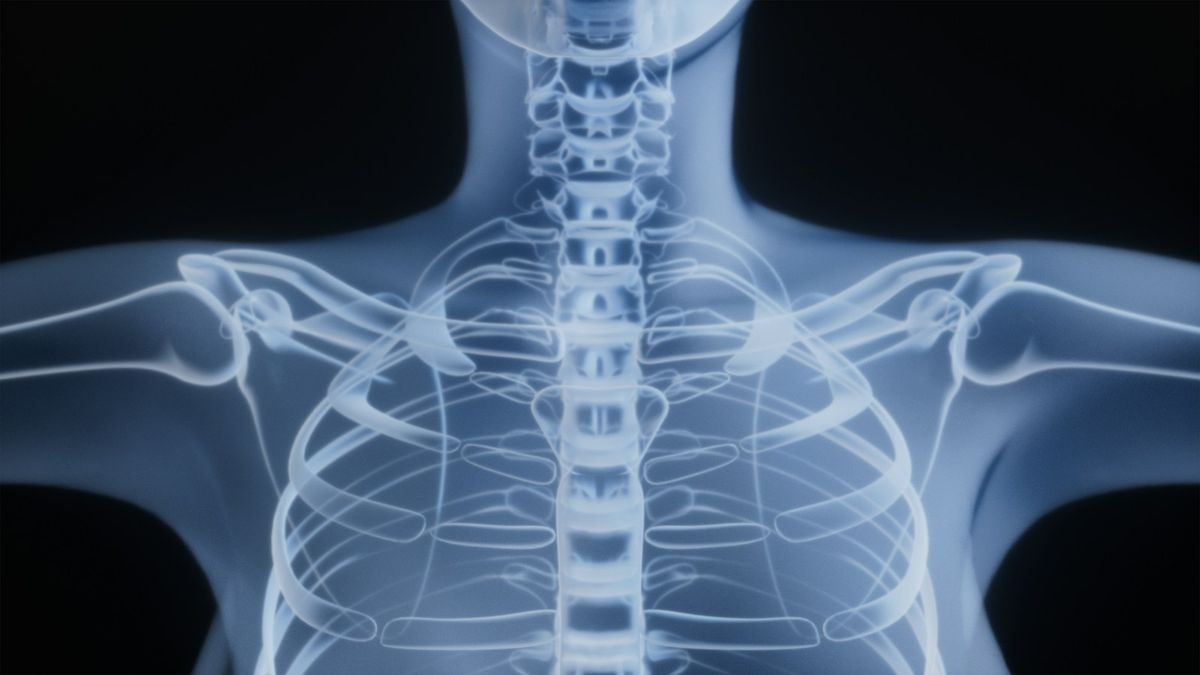
The news (reported October 15, 2026): The U.S. Food and Drug Administration approved the use of an artificial cervical (neck) disc, the prodisc C Nova made by Centinel Spine, at two levels of the neck. Until now it was approved for one level only. According to trade reports, the company now has three cervical disc designs approved for both one- and two-level use; the other two received two-level approval in October 2025. The device has been used outside the United States since 2009 and is currently available in the U.S. on a limited-release basis.
This is a regulatory step, not a brand-new invention. But it reflects a broader trend: artificial disc replacement in the neck has become a well-established option, and the number of approved designs and uses keeps growing. Here is what that means in plain language.
A quick refresher: neck disc problems
The cervical spine has discs between the vertebrae that act as cushions and allow the neck to move. When a disc herniates or wears down, it can press on a nerve root (causing pain, numbness or weakness down the arm) or on the spinal cord (a more serious condition called cervical myelopathy). Many people improve with non-surgical care. When surgery is needed, the surgeon usually works from the front of the neck to remove the damaged disc and take pressure off the nerve or cord.
After the disc is removed, the space has to be dealt with in one of two main ways:
- Fusion: The two vertebrae are joined into one solid segment with a spacer and often a plate. This is a long-proven operation. See cervical fusion.
- Disc replacement (arthroplasty): An artificial disc is placed in the space, designed to keep that segment moving.
Why "two levels" matters
Many people have problems at more than one disc level. A one-level approval means a device is labeled for a single disc. A two-level approval means the FDA has authorized its use when two adjacent discs need treatment. That gives surgeons and patients more options when two neighboring discs are the problem and motion preservation is a goal.
It is important not to overstate the news. The reports did not include new clinical outcome data, and an approval does not mean a device is right for any particular patient. It means one more tool is available for carefully selected cases.
Disc replacement versus fusion
On our disc replacement page, we explain the trade-offs:
- Potential advantages: Disc replacement preserves motion and may lower the chance of problems at the next level.
- Limitations: Long-term results are still not as proven as fusion, and repeat surgery is difficult.
- Best suited to: Generally younger patients whose disc problem causes neck and arm pain, after a full work-up shows which approach fits.
Not everyone is a candidate. Factors such as arthritis in the small joints at the back of the spine, instability, bone quality and the exact pattern of nerve or cord compression all affect whether disc replacement or fusion is the better choice.
What this means for you
- The FDA approved two-level use of another artificial neck disc in October 2026, adding to the options for people with two neighboring problem discs.
- Disc replacement is designed to keep the neck moving, while fusion is longer proven; each has a place.
- Device approvals do not change the first step: an accurate diagnosis that matches your symptoms, exam and imaging.
- Many people with neck and arm pain improve without surgery.
Is disc replacement worth discussing for you?
If you have neck or arm symptoms and an MRI, start by understanding what it shows. If you are in California, send your MRI for a free MRI review, and Dr. Hannani, a fellowship-trained orthopedic spine surgeon, will go over it with you in a complimentary video visit, including whether disc replacement, fusion or non-surgical care makes sense to explore.
This article is for general education and is not medical advice.
Related procedures & care
Information is general and not a substitute for medical advice.