Blog
Microdiscectomy: a surgical option for relieving sciatic pain
Microdiscectomy is a small-incision surgery for a herniated lumbar disc that is pressing on a nerve and causing sciatica. It is considered when other treatments have failed.
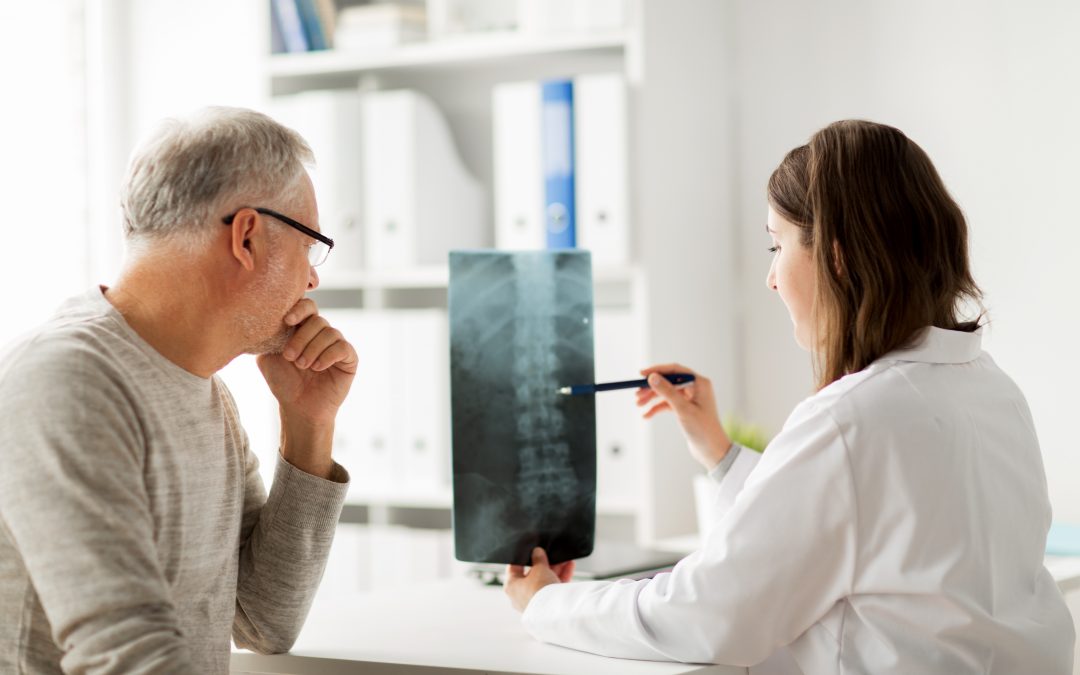
Spinal surgery once meant large incisions, long recovery periods, and painful rehab. Fortunately, surgical advances like the microdiscectomy have proven effective for people suffering from a herniated lumbar disc. A disc in the lower back becomes herniated when the gel-like center of the disc ruptures through a weak area in the tough outer wall, similar to the filling being squeezed out of a jelly doughnut.
At the office of Dr. Hannani, spinal problems are our specialty. We are devoted to the prevention and diagnosis of disorders such as herniated discs, providing treatment options that can relieve the pain and restore function to the affected area.
As the hernia develops and the damaged tissue extends into the spinal column, it pushes on the nerves. This causes the nerves to send pain signals to the brain. The pain is interpreted to be coming from the legs (sciatica). While most patients who experience sciatica will not require surgery, if all other treatments fail, a microdiscectomy may be needed.
Are you a candidate? You should consider microdiscectomy if:
- you have extreme leg pain, numbness, or weakness that inhibits regular activity.
- you’ve tried nonsurgical approaches for at least four weeks – and nothing has worked.
- your doctor performs a physical exam and believes that your pain or weakness would probably get better after surgery.
We will review your unique circumstances and determine if the procedure is right for you. If you’re a candidate, we will carefully discuss with you the benefits and possible risks of the surgery.
Committed to spinal health
At the office of Dr. Hannani, we’re dedicated to providing the highest quality of skilled and compassionate orthopedic spinal care. For more information on the many services we provide, give us a call today.
Videos
A patient story about microdiscectomy for a low back disc herniation. All videos →
Read transcript: Lumbar microdiscectomy
Before surgery, I was in a lot of pain; I had herniated my disc and by doing exercises and stretching it out, I ended up herniating it and pinching my sciatic nerve; and doing that, I ended up passing out and going to the emergency room they gave me a shot to relieve my pain and sent me home and so while I was waiting for the results to come in and for me to get an appointment with Dr. Hannani then I was in bed and I couldn't move I couldn't pick up my kids I couldn't get out of bed and do my normal things that I do around the house the surgery went great it was very nerve-wracking for me I was I have never had surgery before and.
I was terrified so Dr. Hannani he reassured me he he's a great doctor and he came highly recommended and with his track record of success stories and stuff I just knew that I was going to be okay it was a one hour procedure and when I woke up there was no pain I was able to walk they made me walk a few hours after I had woken up and I had to actually do stairs they made me do stairs because to get into my house you have to go a couple steps and so they wanted to make sure I was able to do that before they released me since surgery I have regained everything back I am 100 back to myself and it's only been eight weeks at week six is when I actually felt the the best and I was amazed at how quick that the recovery time was but I was able to pick up my kids again and I could drive my car I didn't I was I wasn't on pain medication for very long after surgery I think maybe a week I was on vicodin and then after that I just got off because I had no more pain um it was just tingling that I had in my leg and numbness and that went away with bed rest so since then I've been going the grocery store and I'm cleaning the house again and taking care of the kids during the school I just feel like myself like I could do anything and I have to be careful because I might forget that I have an injured back that needs to um recover still it's about a year that I should probably be careful and so I hope I don't forget I would definitely recommend Dr. Hannani to anyone who's searching for a back surgeon he's very educated he's caring and he's thorough with his discussion with you and he'll answer all your questions and stuff so I would definitely recommend him to anyone who's searching for a doctor and I thank you Dr. Hannani.
A common cause of back and leg pain (sciatica): anatomy, causes, MRI findings, care, and when surgery is considered. All videos →
Read transcript: Disc herniations in the low back
Hello, my name is Kambiz Hannani, and today I'm going to talk about disk herniations in the low back; first I'd like to start discussing the terminology itself here's a lumbar MRI we have the fifth fourth third second vertebrae the discs in between the vertebrae here we can see the spinal fluid coming down normal disc a little bit of a disc protrusion and now we can see a big disc herniation here coming in and pushing on the nerves in the area this herniations can be called the herniation extrusion bulge rupture essentially all meaning the same thing maybe different degrees of herniation fortunately disc herniations are common some of the risks risk factors that you may have include having a heavy stressful job with vibrations involved essentially smoking or being between the age of 30 and 50. Most of the patients that have this herniation end up having a lot of leg pain or symptoms like burning sensation usually worse with sitting you may have some numbness or weakness in the leg if the disc herniation is large enough it can actually cause bowel bladder or sexual problems in which case now we're looking at an emergent situation.
Occasionally disc herniations can disappear which is something people really wonder about those are usually the big discs that have left the disk space and are called sequestered disks usually patients do find we give them about four to six weeks medications occasionally some epidural steroid injections and therapy the less than maybe 20 or 30 percent of the patients who don't do very well with the conservative management may require a micro discectomy which is a smaller surgery going in and trying to get rid of that disc herniation that's coming through and pushing on the nerves.
Here's what a this surgery looks like or a micro disc we put a small incision on the skin either use tubes or a retractor to go down to the bony elements of the spine use a microscope take a little bit of the bone off that gives us access to the disc itself as we can see here and now we can use surgical instrument to just take off or shave off a little bit of the disc.
Like any other surgery this surgery has risks including infection bleeding nerve damage paralysis bowel bladder sexual problems medical complications including death occasionally patients may even get worse with the surgery requiring additional surgeries and occasionally fusions fortunately because because the disc surgery is relatively a smaller surgery in terms of spine surgeries the risks are also relatively smaller compared to the other surgeries that we do.
In summary these herniations are relatively uncommon usually cause a leg pain occasionally back pain most people get a lot better with some physical therapy and medications occasional steroid injections and if none of that works then a microdiscectomy is actually a reasonable option that can help patients who have a lot of pain.
Related procedures & care
Information is general and not a substitute for medical advice.