Blog
Herniated Cervical Discs can be a Real Pain in the Neck
A herniated disc in the neck can send pain, numbness or weakness down the arm. Most cases settle with time and conservative care; surgery is an option if pain persists.
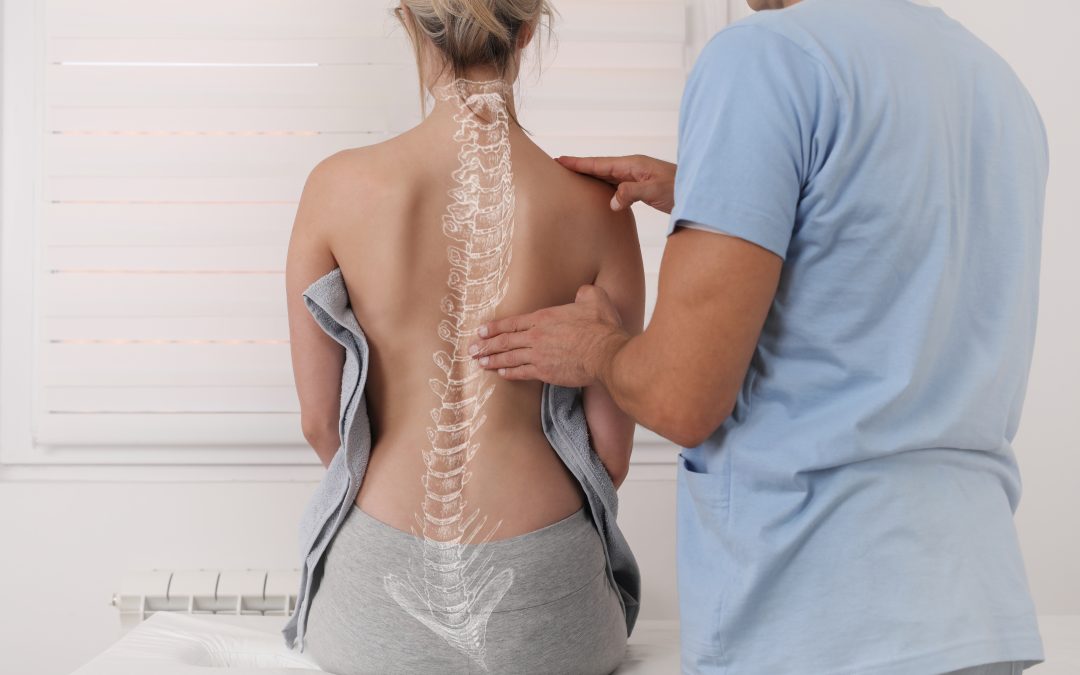
If you’re one of many who have suffered from a herniated cervical disc, you know just how badly it can restrict your movement, not to mention your quality of life. Cervical discs are the cushions between the vertebrae in the upper back and neck. It becomes herniated when the gel-like center of the disc ruptures through a weak area in the tough outer wall, similar to the filling being squeezed out of a jelly doughnut.
At the office of Dr. Hannani, spinal problems are our specialty. We are devoted to the prevention and diagnosis of disorders such as herniated discs, providing treatment options that can relieve the pain and restore function to the affected area.
A cervical herniated disc is caused by excessive stress being placed on the disc, whether as a result of heavy lifting or other damaging motions. Symptoms develop when the damaged disc pushes into the spinal canal or nerve roots, such as:
- pain that radiates down the arm to the hand or fingers
- numbness or tingling in the shoulder, arm, or hands
- weakness of hand and/or arms
All treatments for a cervical herniated disc are designed to help resolve pain. The condition usually resolves itself over time, sometimes with the help of anti-inflammatory drugs and steroid injections to help reduce the swelling. Physical therapy can also be effective for relieving the pressure on the nerve root. But if the pain persists and grows severe, surgical options are available to correct the condition.
Committed to pain-free living
At the office of Dr. Hannani, we’re dedicated to providing the highest quality of skilled and compassionate orthopedic spinal care. For more information on our office and the many services we provide, give us a call today.
Video
Causes of neck and arm pain and the options available to patients. All videos →
Read transcript: Neck pain and common diagnoses
Hello my name is Kambiz Hannani, and today I'm going to talk about neck and arm pain; the most common cause of neck pain as well as arm pain in the elderly population is neck arthritis which can be pinching the nerves as they come through their cervical spine; fortunately most people get better with a little bit of time some therapy perhaps some medications; occasionally we send patients for epidural steroid injections that can also help especially with people who are getting arm pain tingling numbness perhaps some weakness; the most concerning thing that can happen with people who have arthritis is possibly having some pressure put on their spinal cord which can be a combination of the bony spurs from the arthritis as well as disc herniations.
In these situations more emergent intervention would be necessary; here's an example of an MRI of the neck, and we can see that here's the spinal fluid, looks pretty nice down here, reasonably okay up here, but over here where the neck has a lot of arthritis we can see that there's some pressure coming over and tightening the area. The same thing is true when we look at a cervical x-ray; here we have the second third fourth fifth sixth seventh vertebrae; here the discs look okay, and then here we can see the discs have started to collapse; the spine is actually curved in correct way instead of being correctly curved this way, with the point being towards the front of the neck it has reversed its curvature.
This is the common arthritis that we see disc herniations in the neck are a bit more common in the younger people here we can see the spinal fluid again we can see the spinal cord and then there is a very large disc herniation here coming over and pushing on the spinal cord; the same kind of symptomatology is usually seen with the patients who end up having neck pain, perhaps some arm pain numbness tingling weakness in their arms; again the treatment is pretty conservative meaning we send patients for some therapy, may perhaps an injection or two, some medications; if none of that works and the patient continues to have symptoms then, we consider doing surgery.
The surgery that we usually perform is a fusion surgery; in this case, here's an example of again a cervical MRI; we can see this disc herniation coming over and touching the nerves; here the surgery that we have done; in this case is going in taking this disc out from the front putting a piece of bone in its place, and I'm putting a plate in the front; and we can see it here, the plate the piece of bone that we have put in there; we can see the same picture from the front where we see the head and the mouth and we can see the plate from the front view, and then from the side view; this is what a normal neck would have looked like before the plate would have been placed in.
Occasionally we go from the back of the neck instead of the front in which case we need to put in more instruments screws and rods etc; like any other surgery, neck surgery has risks that most common risks include infection, bleeding, nerve damage, paralysis, bowel bladder sexual problems; sometimes the pain may worsen requiring additional surgeries; you can, you may get medical complications uh for which you can get a heart attack perhaps blood clots or even death; although those are a bit less common in the neck, we need to also worry about the voice box; sometimes the voice can change people can have difficulty breathing and or eating or drinking; most of those do improve with time; however, so in summary, neck pain and arm pain is commonly caused by neck problems, meaning arthritis, disc herniation.
Most of the time, these kinds of problems go away with a little bit of time, some therapy, may perhaps some medications, injections; occasionally they don't or if people have problems with their bowel bladder function sexual function, walking ability, handwriting, what we call myelopathy; those are the cases that we really need to immediately pay attention to and actually go in and fix; there are risks involved and that's where we try to balance the risks versus the benefits.
Related procedures & care
Information is general and not a substitute for medical advice.